Water, energy, climate control and data all influence crop performance. Their greatest value becomes visible when they work together.
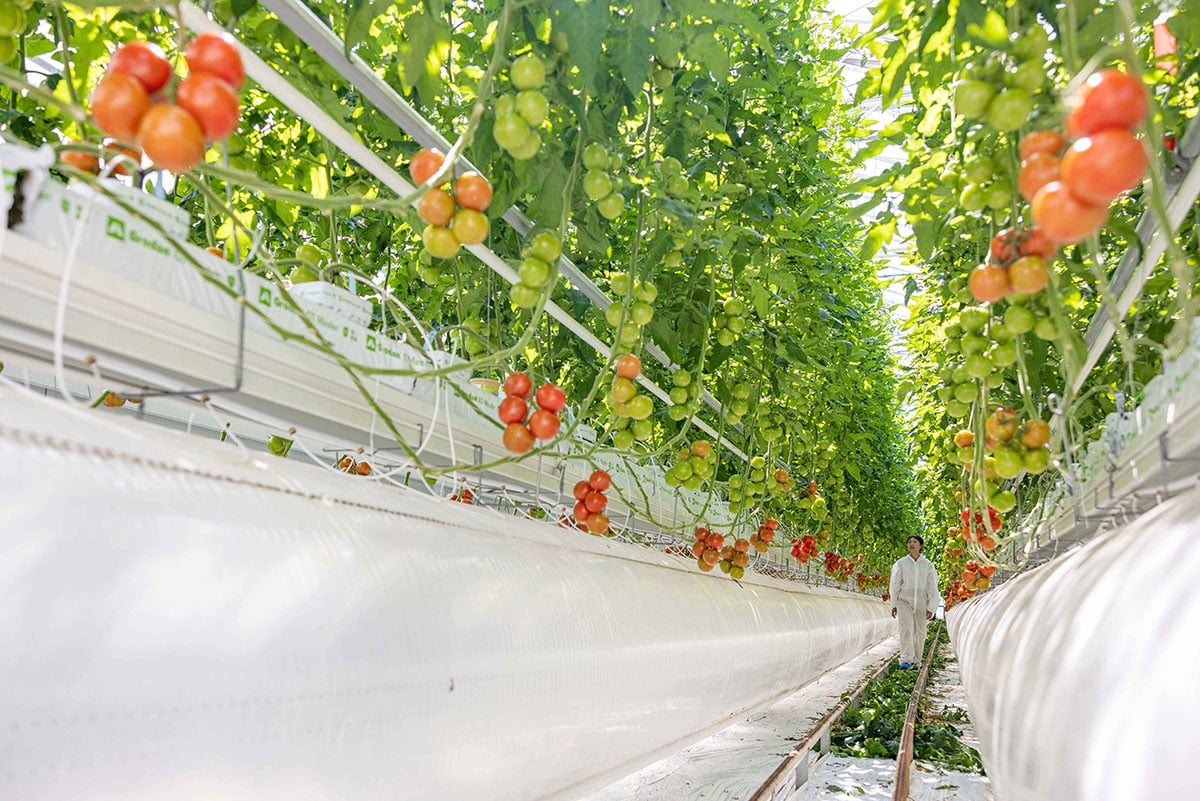
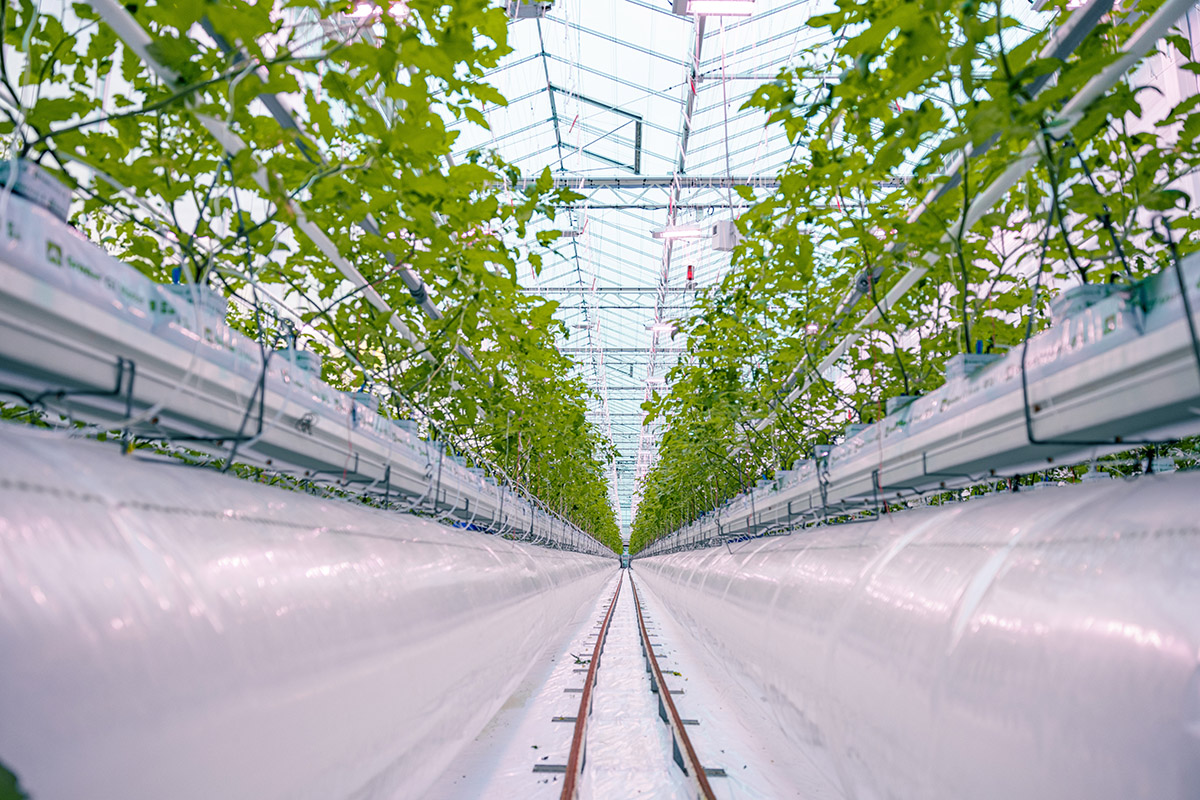
A greenhouse should therefore not be designed as a collection of separate technologies. It should operate as one connected growing system, built around the crop, the location and the goals of the operation.
By aligning every component, growers can use resources more efficiently, maintain more stable growing conditions and make better day-to-day decisions.
Why connections matter
The crop experiences one environment.
An irrigation decision can influence humidity. Ventilation can remove moisture, but also release heat and carbon dioxide. Screen settings affect temperature, light and energy use. Data only creates value when it helps the grower understand these relationships and act on them.
When systems are managed separately, one adjustment may solve a problem in one area while creating pressure elsewhere.
A connected growing strategy helps prevent this. Every component supports the same objective: creating the right conditions for the crop with the available resources.
Make every drop of water work harder
Efficient water management goes beyond precise irrigation.
Collection, storage, treatment and reuse all determine how effectively water remains within the growing system. Rainwater, drain water and condensate can become valuable resources when the greenhouse is designed around recovery and recirculation.
Within the Ultra-Clima® greenhouse concept, water management and climate control are closely connected. Plants release moisture through transpiration. With controlled dehumidification and condensate recovery, part of that moisture can be captured and returned to the water system.
This helps growers reduce water loss, reuse available resources more effectively and maintain greater control over water availability and crop conditions.
Use energy where it creates the most value
Energy efficiency is not simply about using less. It is about using energy at the right moment and for a clear cultivation purpose.
Heating, ventilation, screening, cooling and air movement all affect the greenhouse climate. When these systems work independently, unnecessary losses can occur. For example, heat may be added while excessive ventilation releases it.
A connected approach coordinates these systems around one climate strategy. This creates a better balance between energy input and crop performance.
For growers, this means greater control. For owners and investors, it supports a more efficient and predictable operation.
Create stable growing conditions
Temperature, humidity, airflow, light and carbon dioxide continuously influence each other.
Managing them as separate settings can lead to repeated corrections and unnecessary fluctuations. A connected climate strategy brings these variables together around the needs of the crop.
Stable conditions do not mean fixed conditions. The greenhouse still responds to weather, crop activity and changes throughout the day.
The difference is that systems respond together. This can help growers reduce crop stress, improve consistency and maintain greater control over production.
Turn data into practical decisions
Modern greenhouses produce large amounts of data. But collecting data is only the first step.
Value is created when information supports faster and more consistent decisions.
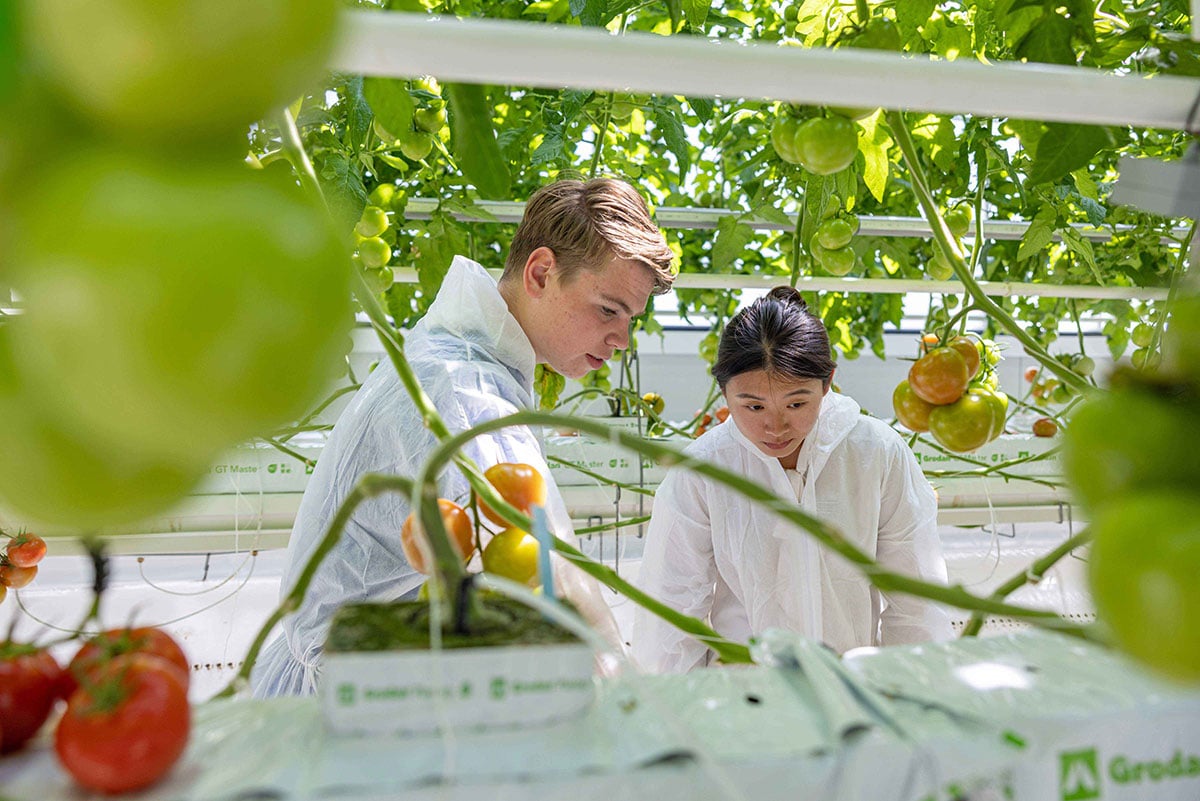
By combining real-time greenhouse data with cultivation knowledge, growers can recognise patterns, reduce repetitive adjustments and manage the operation with greater confidence.
The purpose of data-driven growing is not to replace the grower. It is to help apply cultivation knowledge more consistently across the complete greenhouse.
Build around one growing strategy
Better performance does not come from one isolated technology.
It comes from connecting water, energy, climate and data around the needs of the crop and the business. When every component supports the same strategy, growers gain more control over resources, conditions and daily operations.
That is practical innovation: not adding technology for its own sake, but getting more value from every input.
What is the business value?
For growers, a connected greenhouse system can support more stable crop conditions, more consistent decisions and more efficient resource use.
For owners and investors, integration can improve operational visibility, scalability and predictability. The right configuration will always depend on the crop, local climate, water availability, energy infrastructure and business model.
That is why the growing strategy should come first. Technology follows the goal.
Explore KUBO’s connected growing solutions →


No Comments Yet
Let us know what you think